
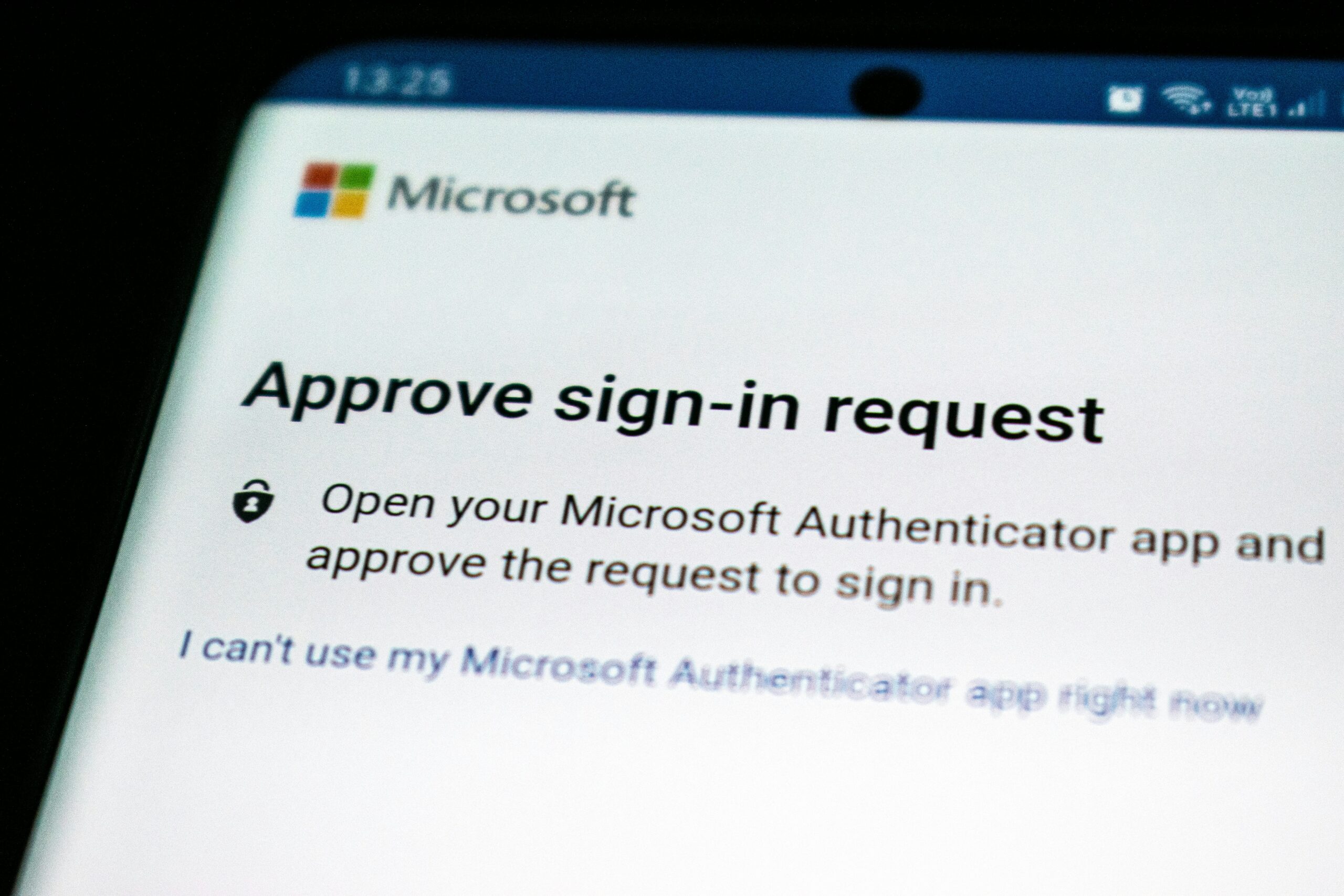
Why Passwords Alone Are No Longer Safe
Many businesses still rely only on passwords to protect important systems like email accounts, cloud storage, and employee logins. Unfortunately, passwords are one of the easiest targets for cybercriminals. Phishing emails, reused passwords, and data breaches can expose login information in seconds.
Once an attacker has access to a business account, they may be able to:
- Read sensitive emails
- Access customer information
- Send fraudulent invoices
- Lock users out of systems
- Spread malware or ransomware
Even strong passwords can be compromised. This is why businesses should not rely on passwords alone.
What Is MFA?
Multi-Factor Authentication (MFA) requires users to verify their identity using a second step in addition to a password.
Common examples include:
- A code sent to a phone
- An authentication app
- A fingerprint or facial recognition
- A hardware security key
Even if a password is stolen, MFA can prevent unauthorized access because the attacker still needs the second verification method.
Why Businesses Should Enable MFA
1. Protects Against Stolen Passwords
MFA dramatically reduces the risk of unauthorized access.
2. Helps Secure Microsoft 365 and Google Accounts
Business email accounts are common attack targets. MFA helps protect them.
3. Reduces Risk of Financial Fraud
Attackers often target invoices, payroll, and banking communications.
4. Improves Overall Security
MFA is one of the easiest ways to strengthen business cybersecurity without major costs.
Final Thoughts
Cyber threats continue to grow, and small businesses are often targeted because they may not have strong security protections in place. MFA is simple to implement and can prevent costly security incidents before they happen.
Protecting business accounts starts with more than just a password.
Contact Us
Interested in improving your business security? JOV Technology Services can help businesses implement MFA, secure accounts, and strengthen overall cybersecurity.
Contact us today to learn how we can help protect your business technology.

0 Comments